
Looking for a genuine Lehsunia stone? Cat’s Eye is one of the most misunderstood gemstones in India — many buyers end up with quartz or glass thinking they’ve purchased real Chrysoberyl Cat’s Eye. This guide covers everything you need to know about Cat’s Eye gemstone: how to identify the original stone, understand the “milk and honey” test, current prices in India, and what Vedic astrology says about its connection to Ketu. Whether you’re buying for astrological purposes or as a collector, you’ll learn to distinguish genuine Lehsunia from imitations.

Lehsunia Quick Facts
| Scientific Name | Chrysoberyl (BeAl₂O₄) |
| Hindi/Sanskrit Name | Lehsunia, Vaidurya, Lasuniya |
| Hardness | 8.5 (Mohs Scale) — extremely durable |
| Key Feature | Chatoyancy (Cat’s Eye Effect) |
| Astrological Planet | Ketu (South Node) |
| Best Origins | Sri Lanka, India, Brazil |
| Price Range (India) | ₹1,500 – ₹50,000+ per carat |
What is Lehsunia Stone?
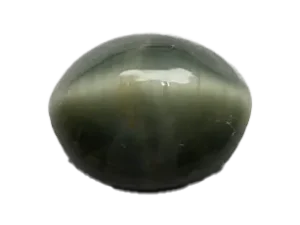
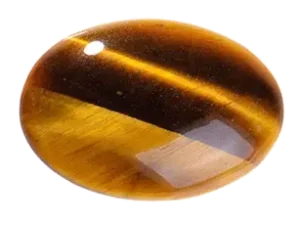
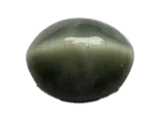
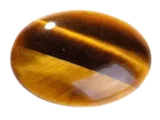
Lehsunia (also spelled Lasuniya) is the Hindi name for Chrysoberyl Cat’s Eye — a phenomenal gemstone that displays a sharp band of light moving across its surface, resembling a cat’s eye. The name “Lehsunia” comes from its resemblance to the color of garlic (lehsun in Hindi).
Important Distinction: The term “Cat’s Eye” can refer to the optical effect in many stones (quartz, apatite, tourmaline). However, true Lehsunia for astrological purposes refers specifically to Chrysoberyl Cat’s Eye — which is significantly more valuable and rare than Quartz Cat’s Eye.
Chrysoberyl vs. Quartz Cat’s Eye
Key Differences
| Property | Chrysoberyl Cat’s Eye (True Lehsunia) | Quartz Cat’s Eye |
|---|---|---|
| Hardness | 8.5 (very hard) | 7 (moderately hard) |
| Chatoyancy | Sharp, well-defined band | Broader, less defined |
| Milk & Honey Effect | Present in fine specimens | Absent or very weak |
| Specific Gravity | 3.70 – 3.78 | 2.65 |
| Price (per carat) | ₹1,500 – ₹50,000+ | ₹100 – ₹500 |
| Astrological Use | Primary Ketu stone | Considered substitute only |
How to Identify Original Lehsunia Stone
With significant price differences between Chrysoberyl and Quartz Cat’s Eye, knowing how to identify genuine Lehsunia is essential:
Test 1: The “Milk and Honey” Effect (Most Important)
This is the signature test for high-quality Chrysoberyl Cat’s Eye and the most reliable way to identify a fine Lehsunia.
How to test:
- Hold the stone under a single light source (torch or sunlight)
- Position the light from one side of the stone
- Observe the two halves divided by the chatoyant band
Results:
- Genuine Chrysoberyl: The side closer to light appears milky/whitish, the opposite side shows honey/golden color
- Quartz/Glass: Both sides appear similar; no distinct milk-honey separation
Why it works: The milk and honey effect occurs due to the unique arrangement of silk inclusions in Chrysoberyl. This phenomenon is extremely difficult to replicate in imitations.
Test 2: Sharpness of the Eye
Examine the chatoyant band (the “eye”) carefully:
- Genuine Lehsunia: Sharp, thin, well-defined band that moves smoothly across the dome when rotated
- Quartz Cat’s Eye: Broader, fuzzy band that’s less defined
- Glass Imitation: Often too perfect, may have multiple bands, lacks natural character
Test 3: Weight/Heft Test
Chrysoberyl is significantly heavier than quartz:
- Chrysoberyl SG: 3.70 – 3.78 (feels noticeably heavy)
- Quartz SG: 2.65 (feels lighter for same size)
If two Cat’s Eye stones of similar size feel different in weight, the heavier one is more likely Chrysoberyl.
Test 4: Light Transmission
Hold the stone against strong light:
- Chrysoberyl: Translucent with visible silk inclusions creating the eye
- Glass: May be too transparent or show air bubbles
Test 5: Lab Certification
The only 100% reliable method is a certificate from a recognized gemological laboratory confirming “Natural Chrysoberyl Cat’s Eye.” This is essential for valuable purchases.
Pro Tip: Always ask specifically for “Chrysoberyl Cat’s Eye” — not just “Cat’s Eye” or “Natural Cat’s Eye.” Quartz Cat’s Eye is also natural but significantly less valuable.
Lehsunia Stone Price in India (2026)
Understanding Lehsunia price helps you buy wisely and avoid overpaying or falling for cheap imitations:
Chrysoberyl Cat’s Eye Price by Quality
| Quality Grade | Price (₹/carat) | Chatoyancy | Color |
|---|---|---|---|
| Commercial | ₹1,500 – ₹5,000 | Visible but broad eye | Greenish-brown, dull |
| Good | ₹5,000 – ₹15,000 | Sharp eye, moves well | Yellowish-green |
| Fine | ₹15,000 – ₹35,000 | Very sharp, centered eye | Honey yellow, good contrast |
| Exceptional | ₹35,000 – ₹50,000+ | Razor-sharp with milk-honey effect | Rich honey, excellent transparency |
Price by Origin
| Origin | Price Range (₹/carat) | Characteristics |
|---|---|---|
| Sri Lankan (Ceylon) | ₹8,000 – ₹50,000+ | Finest quality, sharp eye, excellent color — most valued |
| Indian | ₹3,000 – ₹25,000 | Good quality, traditional source |
| Brazilian | ₹2,000 – ₹15,000 | Variable quality, good availability |
What Affects Lehsunia Price?
- Chatoyancy Quality: Sharp, centered eye with milk-honey effect commands highest prices — this is the primary value factor
- Color: Rich honey-yellow or greenish-yellow preferred; brownish stones are less valuable
- Transparency: Translucent stones that show the eye clearly are more valuable than opaque ones
- Size: Fine quality stones above 3 carats are rare; price per carat increases with size
- Origin: Sri Lankan Cat’s Eye commands premium prices
Price Red Flag: If someone offers “Chrysoberyl Cat’s Eye” for under ₹1,000/carat, it’s almost certainly Quartz Cat’s Eye or glass. Genuine Chrysoberyl is rare and commands significantly higher prices.
Lehsunia in Vedic Astrology
According to Vedic astrology (Jyotish), Lehsunia is the gemstone associated with Ketu — the south lunar node, also called the “shadow planet.” Ketu represents spiritual liberation, past karma, sudden events, and intuitive abilities.
Who May Consider Wearing Lehsunia?
As per traditional Jyotish recommendations:
- Individuals undergoing Ketu Mahadasha or Antardasha
- Those with Ketu in challenging positions in their birth chart
- People in speculative professions (trading, gambling, stock market) — traditionally believed to bring luck
- Those seeking protection from hidden enemies or unforeseen dangers
- Individuals on a spiritual path seeking deeper intuition
Traditional Benefits Associated with Lehsunia
According to astrological practitioners, wearing Lehsunia may support:
- Protection from accidents, hidden enemies, and sudden misfortunes
- Success in speculative ventures and unexpected gains
- Enhanced intuition and spiritual awareness
- Recovery from chronic or mysterious ailments
- Mental clarity and detachment from material anxieties
Traditional Wearing Guidelines
| Recommended Weight | 3-5 carats minimum (or 1/10th body weight in kg) |
| Finger | Middle finger or ring finger (right hand) |
| Metal | Silver or Panchdhatu (five-metal alloy) |
| Day to Wear | Tuesday or Saturday evening, Shukla Paksha |
| Mantra | “Om Kem Ketave Namah” (ॐ कें केतवे नमः) — 108 times |
| Cleansing | Gangajal or raw cow’s milk before wearing |
Note: Ketu is considered a powerful and unpredictable planet. Astrological recommendations vary significantly based on individual birth charts. Please consult a qualified Jyotish practitioner before wearing Lehsunia for astrological purposes.
How to Evaluate Cat’s Eye Quality
Unlike diamonds which are graded by 4Cs, Cat’s Eye quality depends primarily on its phenomenal optical effect:
1. Chatoyancy (Most Important — 60% of value)
The quality of the “eye” determines most of the stone’s value:
- Best: Razor-sharp, bright, perfectly centered band that moves smoothly
- Good: Sharp band, well-centered, moves cleanly
- Average: Visible band but slightly broad or off-center
- Poor: Fuzzy, weak, or multiple bands
2. Color (20% of value)
- Most Valuable: Honey-yellow, greenish-yellow (“lehsuniya” color)
- Good: Golden yellow, yellowish-green
- Less Valuable: Brown, grey, or very dark green
3. Transparency (15% of value)
- Best: Translucent with visible silk creating the effect
- Good: Semi-translucent
- Lower: Opaque (eye may be less visible)
4. Cut Quality (5% of value)
Cat’s Eye must be cut as a cabochon (smooth dome) with the base parallel to the silk inclusions. Poor cutting results in off-center or tilted eye.
How to Care for Lehsunia
Chrysoberyl Cat’s Eye is one of the most durable gemstones, making it excellent for daily wear:
- Cleaning: Warm soapy water and soft brush; ultrasonic and steam cleaners are generally safe for Chrysoberyl
- Storage: Store separately to prevent scratching softer stones like Emerald or Peridot
- Durability: Hardness 8.5 makes it suitable for rings worn daily
- Avoid: Harsh chemicals, though Chrysoberyl is chemically resistant
Buying Checklist: Original Lehsunia
Before purchasing, verify:
- ✓ Sharp, well-defined chatoyant band (not broad or fuzzy)
- ✓ Milk and honey effect visible under single light source
- ✓ Stone feels heavy for its size (Chrysoberyl is dense)
- ✓ Certificate specifically states “Natural Chrysoberyl Cat’s Eye”
- ✓ Price is realistic (genuine Chrysoberyl starts ~₹1,500/carat minimum)
- ✓ Seller provides return policy and authenticity guarantee
For comprehensive guidance on gemstone evaluation, see our complete gemstone buying guide.
Why Buy Lehsunia from Ratna Gems?
Every Cat’s Eye from Ratna Gems comes with:
- Lab Certification: Every Lehsunia certified as “Natural Chrysoberyl Cat’s Eye” with Lifetime Authenticity Guarantee.
- Origin Transparency: We disclose the source of every stone with honest quality grading.
- 7-Day Returns: Shop with confidence — full refund if not satisfied.
Frequently Asked Questions
What is Lehsunia stone?
Lehsunia is the Hindi name for Chrysoberyl Cat’s Eye — a phenomenal gemstone that displays a sharp band of light (chatoyancy) moving across its surface, resembling a cat’s eye. The name comes from its resemblance to garlic (lehsun) color. According to Vedic astrology traditions, it’s the primary gemstone for planet Ketu.
What is the “milk and honey” effect in Cat’s Eye?
This is the hallmark of fine Chrysoberyl Cat’s Eye. When a single light source shines from one side, the stone divides into two distinct colors: the side near the light appears milky white, while the opposite side shows honey/golden color. This effect confirms high-quality Chrysoberyl and is absent in quartz or glass imitations.
What is the price of original Lehsunia in India?
Genuine Chrysoberyl Cat’s Eye (Lehsunia) price ranges from ₹1,500/carat for commercial quality to ₹50,000+/carat for exceptional stones with sharp milk-honey effect. Sri Lankan origin commands highest prices. Quartz Cat’s Eye is much cheaper (₹100-500/carat) but is not considered true Lehsunia for astrological purposes.
Is Quartz Cat’s Eye good for Ketu?
According to traditional Vedic astrology, only Chrysoberyl Cat’s Eye (true Lehsunia) is recommended as the primary gemstone for Ketu. Quartz Cat’s Eye is sometimes used as a substitute but is considered to have weaker effects. Always verify your stone is certified as “Natural Chrysoberyl Cat’s Eye” for astrological purposes.
How to identify original Lehsunia at home?
Check for: (1) Milk and honey effect — one side milky, other honey-colored under single light; (2) Sharp, well-defined chatoyant band; (3) Heavy feel — Chrysoberyl (SG 3.7) is much heavier than quartz (SG 2.65); (4) Price — genuine Chrysoberyl starts around ₹1,500/carat minimum. Lab certification is the only 100% reliable method.
Which finger should Lehsunia be worn on?
According to traditional Vedic astrology guidelines, Lehsunia is worn on the middle finger or ring finger of the right hand, set in silver or Panchdhatu, on Tuesday or Saturday evening during Shukla Paksha. However, recommendations vary based on individual birth charts — consult a Jyotish practitioner for personalized guidance.
Can Lehsunia be worn daily?
Yes, Chrysoberyl Cat’s Eye is excellent for daily wear. With hardness 8.5 on Mohs scale (harder than most gemstones except diamond, sapphire, and ruby), it’s highly durable and resistant to scratches. It’s one of the most practical gemstones for rings.






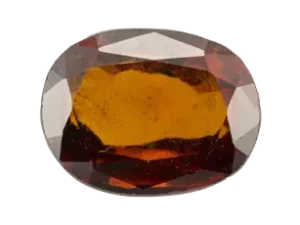
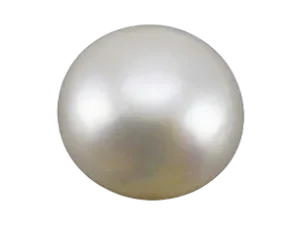
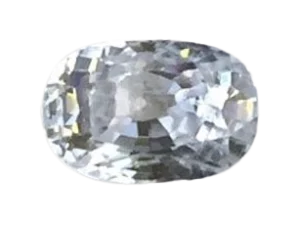
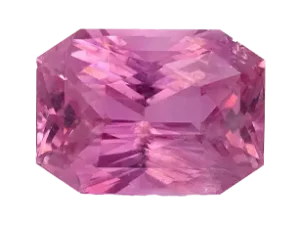
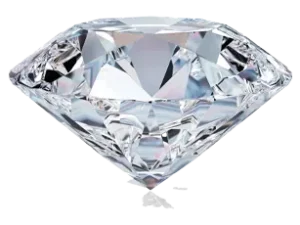
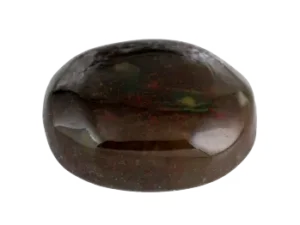
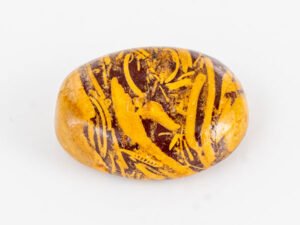
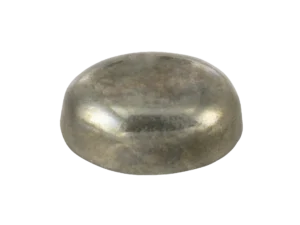
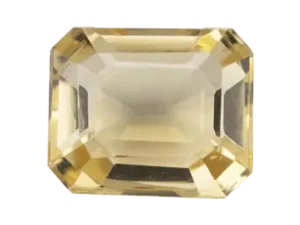
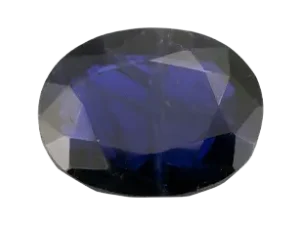
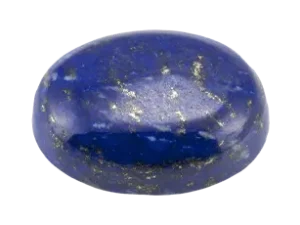
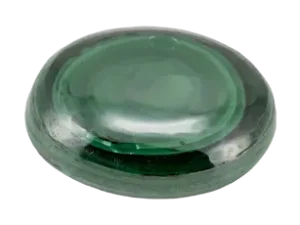
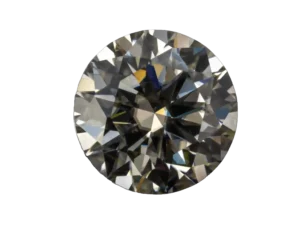
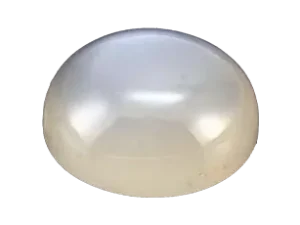
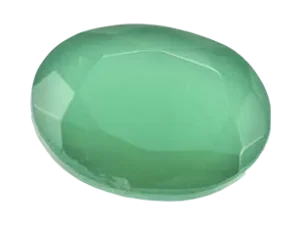
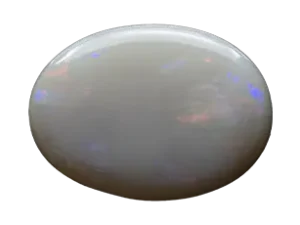
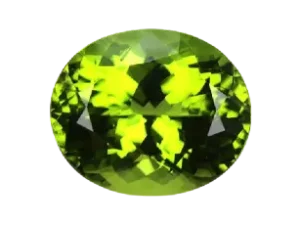
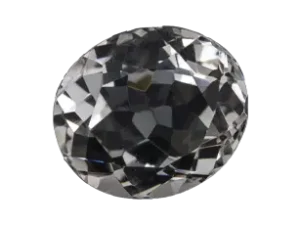
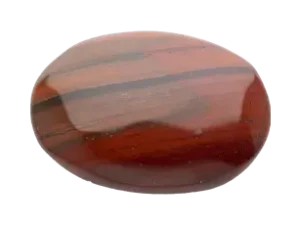
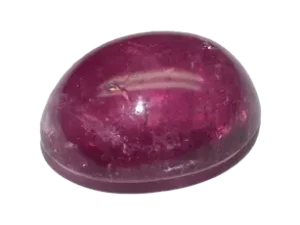
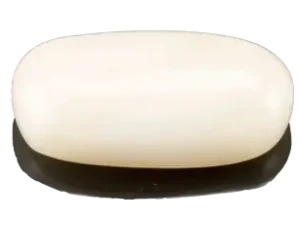
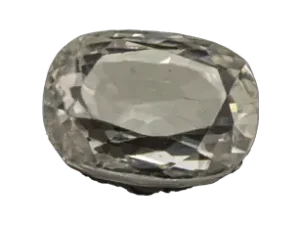
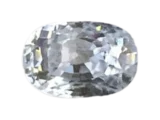
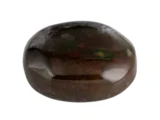
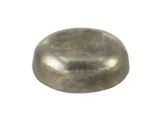
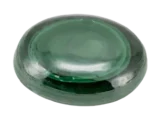
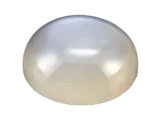
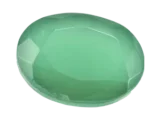
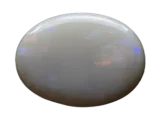
This guide offers a clear and detailed overview of Cats Eye gemstones, covering essential factors like quality indicators, care tips, and the chatoyancy effect. Including more tips on distinguishing genuine stones from imitations would make it even more helpful for buyers.