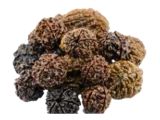
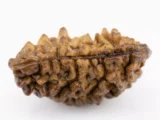
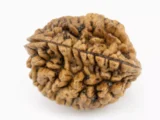
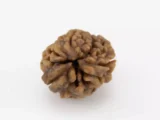
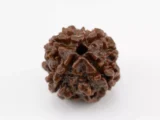
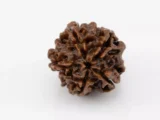
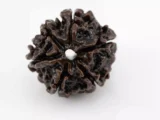
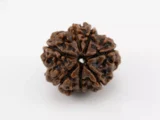
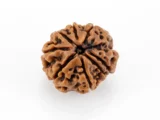
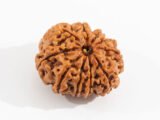
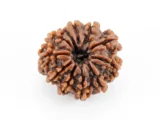
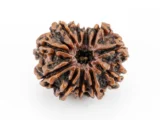
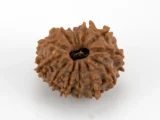
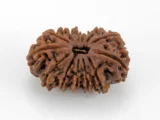
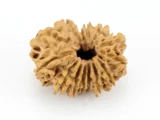
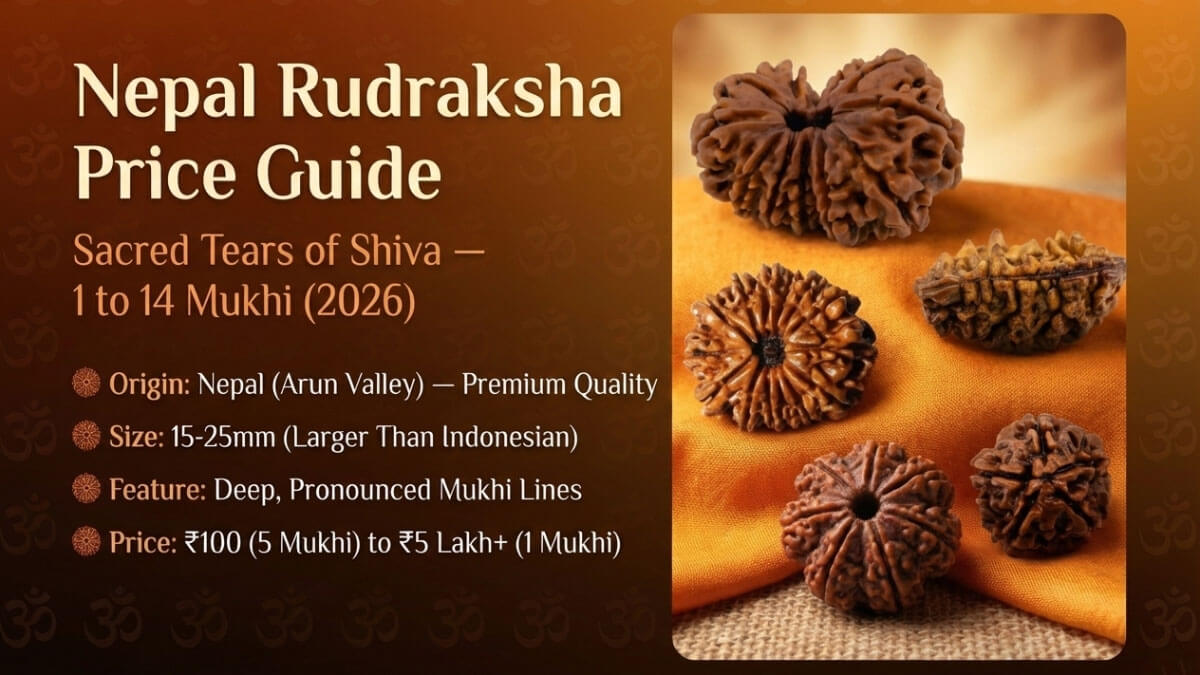
Looking for authentic Nepali Rudraksha at the right price? Nepal’s Arun Valley produces the world’s finest Rudraksha beads — larger, more powerful, and structurally superior to Indonesian (Java) alternatives. But with plastic, wood, and carved Bhadraksha fakes flooding the market, how do you verify a genuine bead? This comprehensive guide covers everything: botanical locule anatomy, 2026 prices in India (1 Mukhi to 14 Mukhi and collector pieces), the Round 1 Mukhi myth, X-ray validation, and Shiva Purana wearing rules.
Rudraksha Botanical & Physical Specifications
| Botanical Name | Elaeocarpus ganitrus (Elaeocarpaceae Family) |
| Anatomy | Stony endocarp (drupe stone) containing natural seed chambers (locules) |
| Mukhi Definition | Longitudinal grooves on the exterior marking the internal chamber partitions |
| Nepal Bead Size | 15 – 35 mm (bold, rough, thorny surface) |
| Indonesian (Java) Size | 5 – 15 mm (smooth surface, shallower grooves) |
| Primary Origin | Arun Valley (Nepal) — premium quality |
Nepal Sourcing vs. Indonesian Sourcing: Size and Energy Fields
While both beads belong to the Elaeocarpus ganitrus species, their geographical growth conditions yield major differences:
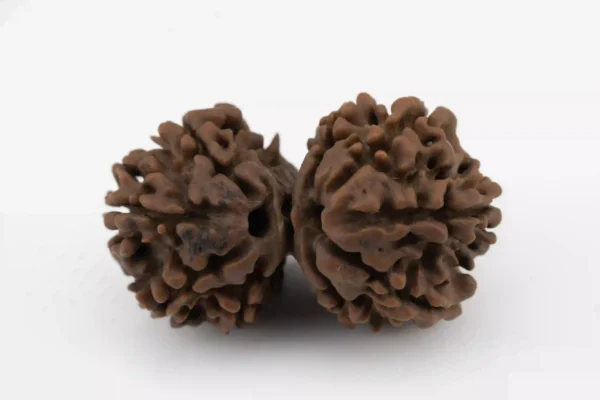
- Nepal Rudraksha (Himalayan Belt): Grown in mountainous soils, these beads are large (15–35 mm), heavy, and display thorny, bold ridges with deep mukhi lines. Astrologically, they display a highly intense, fast-acting energy field. Devotees seeking specific astrological remedies or single-bead wearing generally feel the pranic effects within 20 to 40 days.
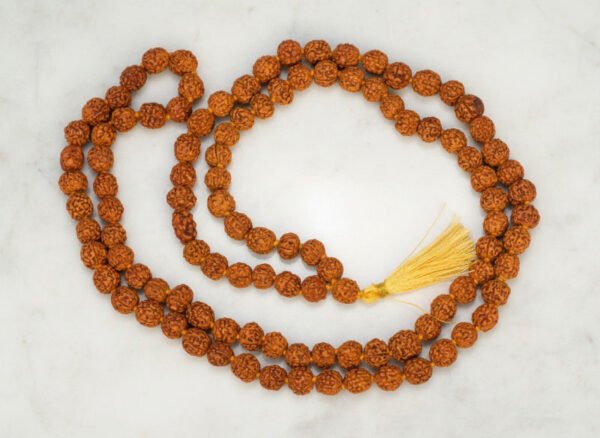
- Indonesian (Java) Rudraksha: Grown in warm tropical volcanic soils, these are small (5–15 mm) and smooth. Because the beads are small and uniform (which is what suits a 108-bead mala), they are highly preferred for stringing lightweight 108-bead Japa Malas used in daily mantra chanting.
Nepal vs. Indonesian Comparison
| Feature | Nepal Rudraksha | Indonesian (Java) Rudraksha |
|---|---|---|
| Bead Sizing | 15 – 35 mm | 5 – 15 mm |
| Groove Depth | Very deep, pronounced | Shallow, thin lines |
| Surface Texture | Rough, naturally thorny | Relatively smooth |
| Traditional standing | The preferred material for single-bead remedial wear | Widely used for japa malas, where bead count matters more than size |
| Best For | Single pendants, astrological remedies | 108-bead Japa Malas, daily wear comfort |
Nepal Rudraksha Price List 2026 (Complete 1-14 Mukhi)
Prices depend heavily on bead size (larger is exponentially more expensive), shape symmetry, line clarity, and market rarity:
Nepali Rudraksha Price Guide (2026 Index)
| Mukhi Count | Price Range (₹) | Ruling Deity & Planet | Spiritual & Material Benefits |
|---|---|---|---|
| 1 Mukhi (Cashew) | ₹2,500 – ₹25,000 | Lord Shiva | Sun (Surya) | Super-consciousness, focus, removal of ego, leadership |
| 2 Mukhi | ₹800 – ₹5,000 | Ardhanarishvara | Moon (Chandra) | Marital harmony, emotional peace, partner compatibility |
| 3 Mukhi | ₹600 – ₹3,000 | Lord Agni | Mars (Mangal) | Agni purification, fear removal, self-esteem, vitality |
| 4 Mukhi | ₹500 – ₹2,500 | Lord Brahma | Mercury (Budh) | Memory boost, intellectual clarity, public speech, wisdom |
| 5 Mukhi | ₹100 – ₹1,500 | Kalagni Rudra | Jupiter (Guru) | The all-purpose bead — general wellbeing and protection; by far the most widely worn |
| 6 Mukhi | ₹500 – ₹2,500 | Lord Kartikeya | Venus (Shukra) | Willpower, focus, athletic performance, leadership courage |
| 7 Mukhi | ₹700 – ₹3,500 | Goddess Lakshmi | Saturn (Shani) | Wealth, business prosperity, Shani relief, career stability |
| 8 Mukhi | ₹2,000 – ₹8,000 | Lord Ganesha | Rahu | Removes obstacles, wipes out bad luck, Ganesha’s intellect |
| 9 Mukhi | ₹3,000 – ₹12,000 | Goddess Durga | Ketu | Fearlessness, dynamic energy, dynamic defense against dark energies |
| 10 Mukhi | ₹4,000 – ₹15,000 | Lord Vishnu | Mercury/Rahu | Shield against black magic, planetary peace, family safety |
| 11 Mukhi | ₹5,000 – ₹20,000 | Ekadasha Rudra (Hanuman) | Hanuman courage, absolute wisdom, high intellect, accident defense |
| 12 Mukhi | ₹6,000 – ₹25,000 | Lord Surya | Sun (Surya) | Political power, public fame, bone health, administrative drive |
| 13 Mukhi | ₹8,000 – ₹35,000 | Kamadeva | Venus (Shukra) | Hypnotic charm, attraction, love, relationship success |
| 14 Mukhi (Deva Mani) | ₹15,000 – ₹75,000+ | Lord Shiva & Hanuman | Shani | Third-eye activation, intuition, Shani Sade Sati remedy |
| Gauri Shankar | ₹7,800 – ₹80,000+ | Shiva-Parvati Conjoined | Naturally fused twin seed, heals broken relationships, family unity |
| 21 Mukhi (Kuber) | ₹5,00,000 – ₹15,00,000+ | Lord Kubera | Absolute wealth, multi-national business expansion, ultimate luxury |
Prices as of January 2026. Actual prices vary based on size (larger = more expensive), Mukhi clarity, shape (round is rarest), surface condition, and collector-grade quality. Exceptional specimens can command 3-5x standard prices.
1 Mukhi Rudraksha Price: Special Focus
The 1 Mukhi Rudraksha (Ek Mukhi) is the rarest and most sacred bead, representing Lord Shiva himself. It’s the most sought-after Rudraksha and commands the highest prices. Here’s the truth regarding the 1 Mukhi Rudraksha price and shapes:
Ek Mukhi Rudraksha Price by Shape
| Shape | Price Range (₹) | Rarity | Notes & Authenticity Warning |
|---|---|---|---|
| Round (Gol) | ₹1,00,000 – ₹5,00,000+ | Extremely Rare (Virtually Mythical) | Most round 1 Mukhis are carved fakes. Real round 1 Mukhi is practically non-existent in Nepal. |
| Half Moon | ₹5,000 – ₹25,000 | Moderately Rare | Sourced from South India, popular but technically Bhadraksha. |
| Cashew/Kaju | ₹2,500 – ₹15,000 | Common 1 Mukhi Form | The natural shape in Nepal, but check if it’s true E. ganitrus vs. Bhadraksha. |
The ek mukhi rudraksha price varies significantly based on authenticity verification and the seller’s reputation. Always insist on lab certification — especially for 1 Mukhi, where fakes are most common due to high value.
Beware: Round 1 Mukhi Rudraksha is extremely rare. If someone offers you a “round 1 Mukhi” for ₹10,000-50,000, it’s almost certainly fake. Genuine round 1 Mukhi starts at ₹1 lakh minimum and often sells for ₹3-5 lakhs. Always demand X-ray verification and lab certification for 1 Mukhi purchases.
What Affects Nepal Rudraksha Prices?
- Mukhi Count: Rarer Mukhis (1, 14, 13, 21) command highest prices; 5 Mukhi is the most widely available
- Size: Larger beads (20mm+) are more valuable than smaller ones
- Mukhi Clarity: Deep, well-defined face lines increase value significantly
- Shape: Round beads are rarest and most expensive; oval/irregular are more common
- Surface Quality: No cracks, worm holes, or damage; natural thorny texture preferred
- Certification: Lab-certified beads command 20-30% premium
- Collector Grade: Exceptional specimens with perfect characteristics can be 3-5x standard prices
Choosing the Right Rudraksha Mukhi for Your Purpose
Each Mukhi has unique vibrations and benefits. Here’s a detailed guide to help you choose:
Mukhi Selection Guide by Purpose
| Purpose | Recommended Mukhi | Why |
|---|---|---|
| General Well-being (Beginners) | 5 Mukhi | Most versatile, suitable for everyone, widely available |
| Students & Learning | 4 Mukhi, 6 Mukhi | Brahma’s knowledge, Kartikeya’s focus |
| Wealth & Business | 7 Mukhi, 13 Mukhi, 21 Mukhi | Lakshmi’s prosperity, Kuber’s wealth, Venus attraction |
| Removing Obstacles | 8 Mukhi | Ganesha’s blessing for new beginnings |
| Protection & Courage | 9 Mukhi, 11 Mukhi | Durga’s power, Hanuman’s strength |
| Leadership & Fame | 12 Mukhi | Sun’s radiance for public recognition |
| Relationships & Marriage | 2 Mukhi, Gauri Shankar | Unity, harmony between partners |
| Spiritual Growth & Meditation | 1 Mukhi, 14 Mukhi | Highest consciousness, third eye activation |
For personalized guidance, see our gemstone and Rudraksha recommendation guide or consult with our experts.
How to Identify Original Nepal Rudraksha
The Rudraksha market is flooded with fakes made from wood, resin, plastic, or artificially carved seeds. Here’s how to spot genuine beads:
Important Disclaimer: Self-tests (like the water test) are for preliminary analysis only. They help identify obvious fakes but cannot guarantee authenticity with 100% certainty. For definitive identification, always obtain a lab certificate — especially for rare/expensive Mukhis (1, 13, 14, Gauri Shankar, 21 Mukhi).
Verification Methods: How to Spot Fakes
Forget unreliable folklore like the “water floating test” or “copper coin spinning test,” as weighted wood or lead fakes easily pass these. Use these scientific validations:
- The X-Ray locule wall check: The only definitive test for rare beads. An X-ray or CT scan penetrates the endocarp to check the internal seed compartments (locules). A genuine 14-Mukhi must show 14 distinct internal chambers divided by natural locule walls. Glued components or hollow cavities will show up immediately on the X-ray film.
- Tool Mark Magnification Check: Under a 10x jeweler’s loupe, inspect the grooves. Naturally formed grooves are irregular, rough, and show natural micro-cracks. Artificial fakes display straight, parallel tool marks, sanded edges, or flat carved grooves.
Shiva Purana Vidyeshvara Samhita Wearing Guidelines
The Shiva Purana outlines guidelines to maintain the energetic vibration of the beads:
- Traditional Customs: To show respect and prevent the absorption of heavy or negative energies, practitioners traditionally remove Rudraksha beads during visits to cremation grounds (funerals), childbirth environments, during sexual intimacy, and while sleeping (to avoid physical body pressure fracturing the thorny ridges).
- Chemical Defense: Remove your Rudraksha before bathing. Modern chemical soaps, shampoos, and warm water will strip the natural oils from the seed, leading to dryness, cracks, and premature rot.
- Rejuvenation: Clean your beads every three months with a soft brush and warm water, let them dry naturally, and condition them with a few drops of pure sandalwood oil or olive oil.
Buying Checklist: Original Nepal Rudraksha
Before purchasing, verify:
- ✓ Mukhi lines run naturally from top to bottom (not artificially carved or glued)
- ✓ Natural, uneven texture with rough, thorny ridges (not perfectly smooth or molded)
- ✓ Sinks in water (preliminary density check only)
- ✓ Price is realistic for the Mukhi count and size (refer to 2026 index)
- ✓ Lab certification with X-Ray verification for rare Mukhis (1, 13, 14, Gauri Shankar)
- ✓ Seller has reputation and lifetime authenticity guarantee
- ✓ Return policy offered
- ✓ Origin disclosed (Nepal vs. Indonesian)
For comprehensive gemstone and Rudraksha guidance, see our complete buying guide.
Conclusion
Nepal Rudraksha prices vary widely based on Mukhi count, size, and quality. While 5 Mukhi beads start from just ₹100, rare 1 Mukhi or 21 Mukhi collector pieces can exceed ₹5 lakhs. The key is understanding what you’re paying for — origin (Nepal vs Indonesian), Mukhi clarity, bead size, and most importantly, authenticity.
Remember: the Rudraksha market has many fakes, especially for rare Mukhis. Whether you’re buying a ₹500 5 Mukhi or a ₹5 lakh 1 Mukhi, always insist on lab certification from a reputable source. A genuine Rudraksha, properly chosen and worn, is a lifetime spiritual companion.
Why Buy Nepal Rudraksha from Ratna Gems?
Every Rudraksha from Ratna Gems comes with:
- Direct Nepal Sourcing: We source from trusted collectors in Arun Valley — the world’s finest Rudraksha origin.
- ISO Certified Lab Reports: Every bead comes with lab certification verifying authenticity and Mukhi count.
- Lifetime Authenticity Guarantee: 100% money-back if any bead is proven fake.
- 28+ Years Trust: Serving customers since 1995 with expertise and integrity.
- Free All-India Shipping: No extra delivery charges anywhere in India.
📞 Call: 7067939337 | ✓ Free Shipping | ✓ Lifetime Guarantee
Frequently Asked Questions
What is Rudraksha price in Nepal for different Mukhis?
Nepal Rudraksha prices vary by Mukhi: 5 Mukhi starts from ₹100-1,500, 7 Mukhi (Lakshmi) costs ₹700-3,500, 8 Mukhi (Ganesha) ranges ₹2,000-8,000, and 1 Mukhi (cashew shape) costs ₹2,500 to ₹25,000. Rare 14 Mukhi costs ₹15,000-75,000+, and Kuber 21 Mukhi can cost ₹5-15 lakhs. Prices depend on size, Mukhi clarity, shape, and certification.
What is 1 Mukhi Rudraksha price in Nepal?
A round 1 Mukhi from Nepal is a myth; fakes are carved from 5-Mukhi beads. Real Nepali 1 Mukhi is cashew-shaped (Kaju), costing ₹2,500 to ₹25,000. Bhadraksha cashew-shaped seeds are not true Rudraksha and lack energetic properties.
Why is Nepal Rudraksha more expensive than Indonesian?
Nepal Rudraksha is larger (15-35mm vs 5-15mm), has deeper Mukhi lines, naturally rougher thorny texture, and limited annual production. Those are differences you can see and measure in the bead itself, which is why Nepali material commands the premium it does.
How to identify original Rudraksha from fake?
Avoid unreliable water or coin tests. For high-value beads, obtain an X-ray or CT scan to verify the internal locule compartments match the outer Mukhi count, and check for tool marks under 10x magnification.
Which Mukhi Rudraksha should I wear?
Choose based on astrological requirements: 5 Mukhi for general health, 7 Mukhi for wealth (Shani relief), 8 Mukhi for removing obstacles (Rahu), 4/6 Mukhi for memory and focus, 9/11 Mukhi for fearlessness and courage, 12 Mukhi for leadership fame, and 14 Mukhi/Gauri Shankar for high intuition and marital harmony.
Can anyone wear Rudraksha?
Yes, Rudraksha is a natural seed of Lord Shiva that has no negative side effects. Anyone can wear it regardless of age, gender, or religion. Traditional texts describe it as carrying no dosha — meaning, unlike stones such as Neelam, it is not held to require a trial period before wearing.
How should I care for my Rudraksha?
Clean every few months with soft brush and warm water. Apply sandalwood or olive oil after cleaning to condition. Remove before bathing. Store in clean cloth when not wearing. Avoid harsh chemicals and perfumes. Energize before first wear by chanting ‘Om Namah Shivaya’ 108 times.