Which Gemstone Should You Wear? A Guide to the Vedic Navratna Tradition

“In Jyotish, which gemstone to wear is decided from your birth chart. This guide explains the nine Navratna gemstones and their planets, the traditional substitutes, sizing and wearing customs, and the name-letter custom.”
"Which gemstone should I wear?" is one of the most asked questions in Vedic astrology. In Jyotish tradition the answer is not a general rule: it comes from a reading of your full birth chart by an astrologer or Pandit ji. What this guide does is explain the system behind that advice — the nine planets, the nine Navratna gemstones and their traditional substitutes, the customs for size and wearing, and the name-letter custom many families use — so that you understand the recommendation you are given and can buy the right natural stone with confidence.
Quick answer: In Jyotish, each of the nine planets has a traditional gemstone (the Navratna) and one or more lower-cost substitutes (upratnas). Which one suits a person is decided from the birth chart, and many astrologers suggest only stones of planets that are favourable in that chart. Ratna Gems sells natural, laboratory-reported stones; we do not give astrological consultations, so please confirm your choice with your own astrologer or Pandit ji.
How the Tradition Links Gemstones and Planets
Vedic gemology is built on a detailed picture of the cosmos that links the planets, light, colour and the human body. Understanding that picture explains why each gemstone is matched to the planet it is.
At the heart of Vedic astrology are the Navagrahas, the nine "planets": the Sun (Surya), Moon (Chandra), Mars (Mangala), Mercury (Budha), Jupiter (Brihaspati), Venus (Shukra) and Saturn (Shani), along with the two lunar nodes, Rahu and Ketu. In this tradition, each planet is linked with its own colour of light, and the positions of the planets at birth are read as shaping a person's life. A natural gemstone worn against the skin is believed to draw in the light of its planet, which is why tradition asks for a natural, honestly described stone.
The Sacred Nine: A Deep Dive into the Navaratna Gemstones
The nine main gemstones of the Navagrahas are known as the Navratna. Each is traditionally linked with its own planet and its own themes in life, and each has traditional substitutes (upratnas) at a lower price. Lists of substitutes differ between traditions; those below are the ones most often named in the Indian gem trade. The "signs ruled" row shows the zodiac signs each planet rules in Jyotish — the starting point astrologers work from, not a recommendation by itself.
Ruby (Manik) - Gemstone of the Sun (Surya)
| Planet | Sun (सूर्य) |
| Traditional Association | Confidence, leadership and vitality |
| Sign Ruled | Leo (Simha) |
| Upratna (Substitute) | Red Garnet, Red Spinel, Red Tourmaline. |
Pearl (Moti) - Gemstone of the Moon (Chandra)
| Planet | Moon (चंद्र) |
| Traditional Association | Calm, emotional steadiness and relationships |
| Sign Ruled | Cancer (Kark) |
| Upratna (Substitute) | Moonstone (Chandramani). |
Red Coral (Moonga) - Gemstone of Mars (Mangal)
| Planet | Mars (मंगल) |
| Traditional Association | Courage, energy and drive; also worn in tradition in connection with Manglik Dosha |
| Signs Ruled | Aries (Mesh) and Scorpio (Vrishchik) |
| Upratna (Substitute) | Carnelian, Red Agate (Hakik), Red Jasper, Bloodstone. |
Emerald (Panna) - Gemstone of Mercury (Budh)
| Planet | Mercury (बुध) |
| Traditional Association | Speech, intellect and trade |
| Signs Ruled | Gemini (Mithun) and Virgo (Kanya) |
| Upratna (Substitute) | Peridot, Green Tourmaline. |
Yellow Sapphire (Pukhraj) - Gemstone of Jupiter (Brihaspati)
| Planet | Jupiter (बृहस्पति) |
| Traditional Association | Wisdom, learning, good fortune and spiritual life |
| Signs Ruled | Sagittarius (Dhanu) and Pisces (Meen) |
| Upratna (Substitute) | Citrine (Sunela), Yellow Topaz. |
Diamond (Heera) - Gemstone of Venus (Shukra)
| Planet | Venus (शुक्र) |
| Traditional Association | Art, beauty, love and comfort |
| Signs Ruled | Taurus (Vrishabha) and Libra (Tula) |
| Upratna (Substitute) | White Sapphire (Safed Pukhraj) — the most common substitute — White Zircon and Opal. Ratna Gems does not sell diamonds. |
Blue Sapphire (Neelam) - Gemstone of Saturn (Shani)
| Planet | Saturn (शनि) |
| Traditional Association | Discipline, focus and steadiness; often worn during Sade Sati |
| Signs Ruled | Capricorn (Makar) and Aquarius (Kumbh); by custom, Neelam is worn only after a trial period |
| Upratna (Substitute) | Iolite (Kaka Neeli), Amethyst (Jamunia), Lapis Lazuli, and in modern practice Tanzanite. |
Hessonite (Gomed) - Gemstone of Rahu
| Planet | Rahu (राहु) |
| Traditional Association | Ambition, foreign connections and unconventional paths |
| Signs Ruled | None in the classical scheme; Gomed is usually discussed for Rahu's period (Mahadasha) |
| Upratna (Substitute) | Spessartite Garnet, Orange Zircon, Onyx. |
Cat's Eye (Lehsunia) - Gemstone of Ketu
| Planet | Ketu (केतु) |
| Traditional Association | Intuition and spiritual life |
| Signs Ruled | None in the classical scheme; Lehsunia is usually discussed for Ketu's period (Mahadasha) |
| Upratna (Substitute) | Cat's Eye Quartz, Tiger Eye (Chitti). |
Traditional Sizing and Wearing Customs
Once a stone is chosen, tradition also sets its size, and the customs for the first day it is worn.
Traditional Gemstone Sizes
A common Vedic custom is about 1 Ratti for every 10 kg of body weight, and substitute stones (upratnas) are often chosen about 1 Ratti heavier. Since 1 Pukka Ratti equals 0.91 carat, the usual sizes work out as follows:
| Body Weight (kg) | Usual Weight (Ratti) | Main Gemstone (carats) | Substitute Gemstone (carats) |
|---|---|---|---|
| 50 kg | 5 Ratti | about 4.55 carats | about 5.46 carats (6 Ratti) |
| 60 kg | 6 Ratti | about 5.46 carats | about 6.37 carats (7 Ratti) |
| 70 kg | 7 Ratti | about 6.37 carats | about 7.28 carats (8 Ratti) |
| 80 kg | 8 Ratti | about 7.28 carats | about 8.19 carats (9 Ratti) |
| 90 kg+ | 9 Ratti+ | about 8.19 carats | about 9.10 carats+ (10 Ratti) |
Traditional Wearing Customs
| Gemstone | Customary Day & Time | Finger & Metal | Associated Mantra |
|---|---|---|---|
| Ruby (Manik) | Sunday Morning (Sunrise), Shukla Paksha | Ring Finger, Gold or Copper | ॐ ह्रां ह्रीं ह्रौं सः सूर्याय नमः (Om Hram Hreem Hroum Sah Suryaya Namah) |
| Pearl (Moti) | Monday Evening (Moonrise), Shukla Paksha | Little Finger, Sterling Silver | ॐ श्रां श्रीं श्रौं सः चंद्रमसे नमः (Om Shram Shreem Shroum Sah Chandramase Namah) |
| Red Coral (Moonga) | Tuesday Morning (Sunrise), Shukla Paksha | Ring Finger, Gold, Copper, or Silver | ॐ क्रां क्रीं क्रौं सः भौमाय नमः (Om Kram Kreem Kroum Sah Bhaumaya Namah) |
| Emerald (Panna) | Wednesday Morning (Sunrise), Shukla Paksha | Little Finger, Gold or Silver | ॐ ब्रां ब्रीं ब्रौं सः बुधाय नमः (Om Bram Breem Broum Sah Budhaya Namah) |
| Yellow Sapphire (Pukhraj) | Thursday Morning (Sunrise), Shukla Paksha | Index Finger (Tarjani), Gold | ॐ ग्रां ग्रीं ग्रौं सः गुरवे नमः (Om Gram Grim Graum Sah Gurave Namah) |
| Diamond / White Sapphire | Friday Morning (Sunrise), Shukla Paksha | Middle/Ring Finger, Silver, Gold, or Platinum | ॐ द्रां द्रीं द्रौं सः शुक्राय नमः (Om Dram Dreem Droum Sah Shukraya Namah) |
| Blue Sapphire (Neelam) | Saturday Evening (Twilight), Shukla Paksha | Middle Finger (Madhyama), Sterling Silver | ॐ प्रां प्रीं प्रौं सः शनैश्चराय नमः (Om Pram Preem Proum Sah Shanaischaraya Namah) |
| Hessonite (Gomed) | Saturday Evening (Sunset), Shukla Paksha | Middle Finger (Madhyama), Sterling Silver | ॐ भ्रां भ्रीं भ्रौं सः राहवे नमः (Om Bhram Bhreem Bhroum Sah Rahave Namah) |
| Cat's Eye (Lehsunia) | Tuesday or Saturday Evening, Shukla Paksha | Middle Finger (Madhyama), Sterling Silver | ॐ स्रां स्रीं स्रौं सः केतवे नमः (Om Sram Sreem Sroum Sah Ketave Namah) |
Vedic Philosophy: Anukul-vad vs. Pratikul-vad
Many Jyotish practitioners follow Anukul-vad (strengthening the planets that are favourable in a chart) rather than Pratikul-vad (wearing stones to appease unfavourable planets). Their reasoning is that a gemstone strengthens its planet, so tradition avoids stones for planets that rule the Dusthana houses (6th, 8th or 12th) of a chart. Tradition also avoids pairing the stones of planets that are enemies of each other (Graha Maitri):
Stone Pairings Tradition Avoids
- Ruby (Sun) is traditionally not worn with Blue Sapphire (Saturn), Diamond/White Sapphire (Venus), Hessonite (Rahu) or Cat's Eye (Ketu).
- Pearl (Moon) is traditionally not worn with Hessonite (Rahu), Cat's Eye (Ketu) or Emerald (Mercury).
- Red Coral (Mars) is traditionally not worn with Emerald (Mercury) or Blue Sapphire (Saturn).
- Yellow Sapphire (Jupiter) is traditionally not worn with Diamond/White Sapphire (Venus) or Emerald (Mercury).
- Blue Sapphire (Saturn) is traditionally not combined with Ruby (Sun), Pearl (Moon) or Red Coral (Mars).
Which Gemstone to Wear by First Letter of Name (Hindi)
In India, many families match the first letter of a person's name to a zodiac sign, and from that to a planet and its gemstone. The letters come from the syllables of the 27 nakshatras (the Avakahada Chakra), and popular lists differ slightly. This custom is a popular shortcut only: classical Jyotish chooses a stone from the full birth chart, so treat the table as background and confirm any choice with your astrologer.
| Zodiac Sign (English + Hindi) | Planet | Letters (Hindi) | Traditional Gemstone |
|---|---|---|---|
| Aries (मेष) | Mars (मंगल) | चू, चे, चो, ला, ली, लू, ले, लो, अ | 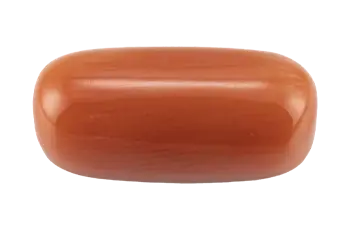 Red Coral (Moonga) |
| Taurus (वृष) | Venus (शुक्र) | इ, उ, ए, ओ, वा, वी, वू, वे, वो | 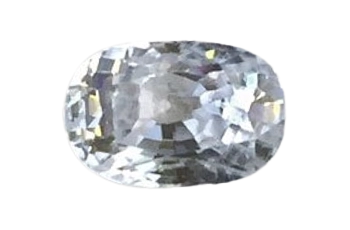 Diamond / White Sapphire |
| Gemini (मिथुन) | Mercury (बुध) | का, की, कू, घ, ङ, छ, के, को, हा | 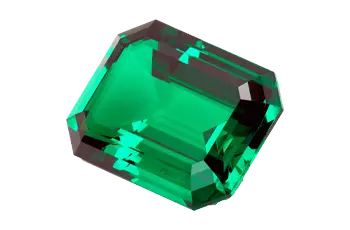 Emerald (Panna) |
| Cancer (कर्क) | Moon (चन्द्र) | ही, हू, हे, हो, डा, डी, डू, डे, डो | 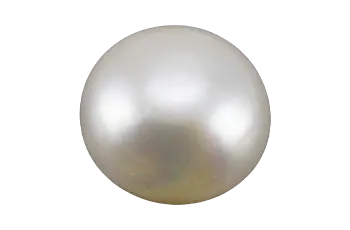 Pearl (Moti) |
| Leo (सिंह) | Sun (सूर्य) | मा, मी, मू, मे, मो, टा, टी, टू, टे | 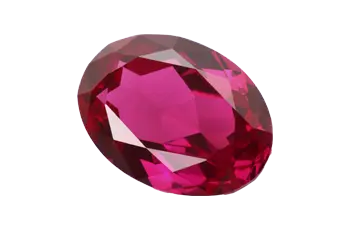 Ruby (Manik) |
| Virgo (कन्या) | Mercury (बुध) | टो, पा, पी, पू, ष, ण, ठ, पे, पो | Emerald (Panna) |
| Libra (तुला) | Venus (शुक्र) | रा, री, रू, रे, रो, ता, ती, तू, ते | Diamond / White Sapphire |
| Scorpio (वृश्चिक) | Mars (मंगल) | तो, ना, नी, नू, ने, नो, या, यी, यू | Red Coral (Moonga) |
| Sagittarius (धनु) | Jupiter (गुरु) | ये, यो, भा, भी, भू, धा, फा, ढा, भे | 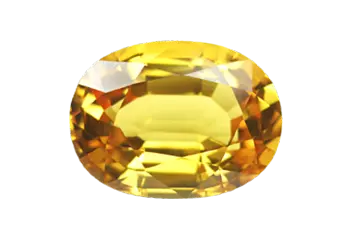 Yellow Sapphire (Pukhraj) |
| Capricorn (मकर) | Saturn (शनि) | भो, जा, जी, खी, खू, खे, खो, गा, गी | 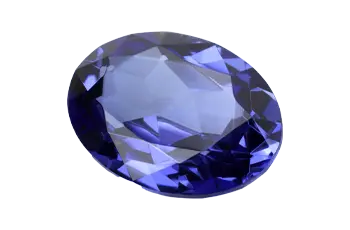 Blue Sapphire (Neelam) |
| Aquarius (कुंभ) | Saturn (शनि) | गू, गे, गो, सा, सी, सू, से, सो, दा | Blue Sapphire (Neelam) |
| Pisces (मीन) | Jupiter (गुरु) | दी, दू, थ, झ, ञ, दे, दो, चा, ची | Yellow Sapphire (Pukhraj) |
Why Buy From Ratna Gems?
At Ratna Gems, we sell natural gemstones and describe them honestly. Here is what you can expect:
- A Lab Report With Every Stone: every gemstone comes with a report from an independent laboratory and is covered by our Authenticity Guarantee.
- Transparent and Honest Pricing: We offer competitive prices for genuine gemstones with full disclosure on quality, origin, and treatments.
- Help When You Need It: questions answered before and after you buy, and a 7-day return policy for eligible items. We do not give astrological consultations; please confirm your choice with your own astrologer or Pandit ji.
Frequently Asked Questions
How is a gemstone chosen in Vedic astrology?
In classical Jyotish, the starting point is the Lagna (ascendant). Astrologers look at which planets rule the favourable houses of the chart (the Kendra and Trikona houses) and suggest their stones. This is why tradition works from the full birth chart rather than from the Western sun sign alone.
What is Anukul-vad, and why do many astrologers follow it?
Anukul-vad is the practice of wearing the stones of planets that are favourable in a chart. Pratikul-vad is the practice of wearing stones for unfavourable planets to appease them. Many astrologers follow Anukul-vad because, in their tradition, a gemstone strengthens its planet, and strengthening an unfavourable planet is thought to strengthen its difficult side too.
Are Upratnas (substitute gemstones) accepted?
Yes. Vedic tradition names substitute stones such as Moonstone for Pearl or Peridot for Emerald. Many buyers prefer a clean, good-quality Upratna to a poor-quality main stone, and it costs far less.
Can I choose a gemstone myself, without an astrologer?
Many people buy a stone simply because they like it, and that needs no chart. For astrological purposes, though, Jyotish tradition chooses a stone from the full birth chart, and many astrologers advise against stones of planets that are unfavourable in that chart. If you are buying for that reason, ask your own astrologer or Pandit ji which stone and weight they suggest, and then choose a natural stone with a laboratory report.
What weight of gemstone is usual?
A common custom is about 1 Ratti for every 10 kg of body weight, so about 7 Ratti, or 6.37 carats, for someone who weighs 70 kg (1 Ratti = 0.91 carat).
Why does tradition avoid some stones for some people?
Classical texts advise against a stone whose planet is an enemy of the chart's ruling planets, or rules the 6th, 8th or 12th house, believing it would strengthen that planet's difficult side. That is why, in tradition, a chart reading comes before a purchase.
Looking for Original Certified Gemstones?
Explore our lab-tested inventory of natural Ceylon Sapphires, Zambian Emeralds, Mozambique Rubies, and Original Nepali Rudrakshas with official certificate.


