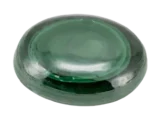
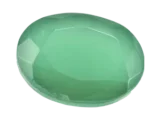
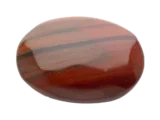
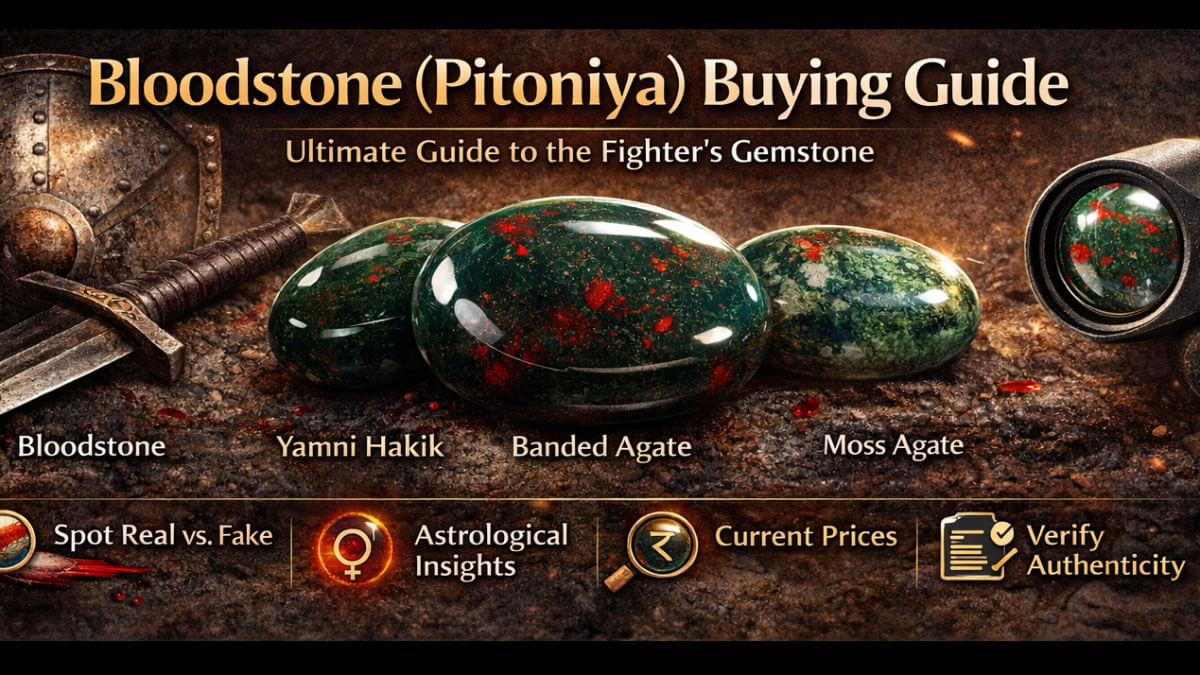
Bloodstone is one of the oldest known gemstones, used by humans for over 5,000 years. This dark green stone with blood-like red spots has been valued by ancient warriors, medieval Christians, and modern gem collectors alike. In India, it is known as Pitoniya and is associated with the planet Mars (Mangal) in Vedic astrology.
Whether you are looking to buy Bloodstone for astrological purposes, as a March birthstone gift, or simply because you find it beautiful — this complete guide by Ratna Gems will give you all the information you need. We will cover what Bloodstone actually is, how to identify real from fake, current prices in India, traditional beliefs, and much more.
Important Note: This guide includes information about traditional beliefs, astrological associations, and healing properties. These are presented for educational and informational purposes only. Ratna Gems does not promote or endorse any specific belief system. Always consult qualified professionals for medical or important life decisions.
What is Bloodstone?
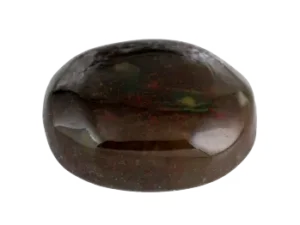
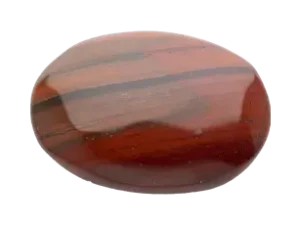
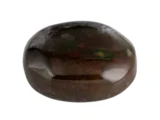
Bloodstone is a dark green gemstone with distinctive red spots that look like drops of blood. Scientifically, it belongs to the chalcedony family — a type of microcrystalline quartz. The green colour comes from iron-bearing minerals like chlorite and actinolite, while the red spots are caused by iron oxide (hematite) inclusions.
The stone has two official names:
- Bloodstone — The common English name, referring to its blood-like spots
- Heliotrope — The scientific/gemological name, from Greek words meaning “sun turner”
In India, Bloodstone is commonly called Pitoniya (पिटोनिया) in Hindi. This name is widely used in Vedic astrology circles.
Bloodstone at a Glance
| Scientific Name | Heliotrope |
| Mineral Family | Chalcedony (Quartz Group) |
| Chemical Formula | SiO₂ (Silicon Dioxide) |
| Hardness | 6.5 – 7 Mohs |
| Specific Gravity | 2.55 – 2.70 |
| Refractive Index | 1.530 – 1.543 |
| Crystal System | Trigonal |
| Transparency | Opaque to Semi-translucent |
| Lustre | Waxy to Vitreous |
| Hindi Name | Pitoniya (पिटोनिया) |
| Planet (Vedic) | Mars (Mangal) |
| Birth Month | March (Traditional) |
Why is it Called “Heliotrope”?
The name Heliotrope comes from two Greek words: helios (sun) and trepein (to turn). Ancient Greek scholar Pliny the Elder wrote that when this stone is placed in water, it appears to turn the sun blood-red in its reflection.
The name also connects to the heliotrope plant (a flower that turns toward the sun). Ancient people believed both the stone and the plant had sun-related magical properties.
How Bloodstone is Formed
Bloodstone forms deep within the Earth through a slow geological process:
- Volcanic Activity: Hot lava (basalt) cools down and creates small cavities and cracks in the rock
- Mineral-Rich Water: Underground water carrying dissolved silica (quartz) flows through these cavities
- Slow Crystallization: Over millions of years, the silica slowly deposits layer by layer, forming chalcedony
- Green Colour Formation: Iron-bearing minerals like chlorite and actinolite get trapped during crystallization, giving the green colour
- Red Spots Formation: Some iron oxidizes to form hematite (iron oxide), creating the distinctive red spots
This entire process takes millions of years. The Deccan Trap basalts in Gujarat, India, provide ideal conditions for high-quality Bloodstone formation.
Types of Bloodstone
Not all Bloodstone looks the same. There are different varieties based on colour patterns and origin:
1. Classic Bloodstone (Heliotrope)
This is the most valued type — dark forest green base with bright red spots resembling drops of blood. The red spots are caused by hematite inclusions. This is what most people mean when they say “Bloodstone.”
2. Plasma
Plasma is dark green chalcedony without red spots. It may have white or yellow spots instead. Technically, Plasma + Red Spots = Bloodstone. Pure Plasma without red spots is a separate variety and is less valued than classic Bloodstone.
3. Fancy Bloodstone
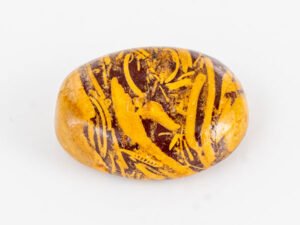
This variety contains additional colours beyond green and red — including yellow, orange, brown, or white patches. The yellow/orange colours come from different iron minerals called limonite and goethite. Fancy Bloodstone is interesting but usually less valuable than classic Bloodstone with clean green and red contrast.
Indian Bloodstone vs African Bloodstone — Important Difference
This is a very important distinction that many buyers and even some sellers do not understand:
| Feature | Indian Bloodstone (True Heliotrope) | African Bloodstone (Setonite) |
| Composition | Green chalcedony + red hematite | Red jasper + grey/green chalcedony + pyrite |
| Appearance | Dark green with tiny, sharp red speckles | Opaque green with larger, diffuse red patches |
| Green Colour | Deep forest green | Lighter, more grayish green |
| Red Pattern | Small, well-defined spots | Larger, blotchy patches |
| Vedic Astrology | Preferred for astrological use | Not traditionally recommended |
| Price | 15-30% higher | Standard/lower pricing |
Key Point: African Bloodstone (also called Setonite) has a different mineral composition than true Indian Bloodstone. They should not be sold interchangeably. If you are buying Bloodstone for Vedic astrology purposes, Indian origin is traditionally preferred.
At Ratna Gems, we clearly mention the true origin and type of every Bloodstone we sell. Browse our Bloodstone collection to see certified natural stones with accurate descriptions.
Where Does Bloodstone Come From?
Bloodstone is found in several countries around the world:
| Country | Quality | Notes |
| India (Gujarat, Kathiawar) | Premium — World’s Best | Deepest green, sharpest red spots |
| India (Rajasthan, Jaipur) | Processing Hub | Major cutting and trading centre |
| Brazil | Good Quality | Slightly lighter than Indian |
| Madagascar | Medium Quality | Standard deposits |
| Australia | Unique Variety | “Dragon Bloodstone” — different composition |
| USA (California, Oregon) | Collector Quality | Smaller quantities |
| South Africa | Different Variety | Setonite — not true Heliotrope |
Best Origin: India (specifically Gujarat’s Kathiawar Peninsula) produces the finest quality Bloodstone in the world. The Deccan Trap basalts provide ideal geological conditions. Indian Bloodstone commands a 15-30% premium over other origins because of its superior colour and pattern quality.
History and Cultural Significance of Bloodstone
Bloodstone has been used by humans for over 5,000 years. Here is how different civilizations valued this stone:
Ancient Babylonian and Egyptian Uses
The earliest known uses of Bloodstone date back to ancient Babylon and Egypt. Babylonian warriors carried Bloodstone amulets into battle, believing the stone would stop bleeding from wounds and give them courage.
The ancient Egyptians also valued Bloodstone highly. The Leyden Papyrus (an ancient Egyptian text) states: “The world has no greater thing than Bloodstone.” They believed it could help defeat enemies and increase strength.
Ancient Greek and Roman Beliefs
Greeks named the stone “Heliotrope” and believed it could turn the sun blood-red when placed in water. Greek and Roman athletes wore Bloodstone during competitions, believing it increased their strength and endurance.
Roman soldiers carried Bloodstone into battle, believing it would slow bleeding from wounds. The famous scholar Pliny the Elder wrote about Bloodstone’s supposed magical properties in his encyclopedia “Natural History.”
The Christian Legend
According to medieval Christian tradition, Bloodstone was formed at the crucifixion of Jesus Christ. The legend says that drops of Christ’s blood fell onto green jasper at the foot of the cross, creating the first Bloodstone.
Because of this legend, Bloodstone was called the “Martyr’s Stone” and was used extensively in medieval Christian art. Craftsmen carved scenes of the crucifixion into Bloodstone, cleverly positioning the natural red spots to represent blood. Many such carved pieces are preserved in museums like the British Museum in London.
Medieval European Uses
In medieval Europe, Bloodstone was believed to have many powers:
- Stopping bleeding when placed on wounds
- Providing protection from enemies
- Bringing success in legal matters
- Controlling weather (bringing rain)
- Making the wearer invisible (when combined with heliotrope herb)
Ground Bloodstone powder mixed with honey was used in traditional medicine — though there is no scientific evidence supporting any medicinal claims.
Indian Historical Uses
In traditional Indian practice, Bloodstone was used similarly — placed on wounds after dipping in cold water to stop bleeding. Powdered Bloodstone has been traditionally used as an aphrodisiac in India.
In Hindu mythology, Bloodstone connects to Lord Vishnu. One legend states that when Vishnu was wounded in a great battle, his blood fell upon the earth and created Bloodstone.
Traditional Beliefs About Bloodstone
Important Disclaimer: The following section describes traditional beliefs and folklore about Bloodstone. These are presented for informational purposes only. Ratna Gems does not claim these beliefs are scientifically proven facts. We do not promote any belief system. Always consult qualified medical professionals for health concerns.
Beliefs About Blood and Circulation
Throughout history, Bloodstone has been associated with blood-related benefits. Traditional beliefs include:
- Purifying and cleansing the blood
- Improving blood circulation
- Supporting healthy blood pressure
- Detoxifying blood and vital organs
The most famous traditional belief is that Bloodstone can stop bleeding. Ancient warriors carried it into battle for this purpose. However, there is no scientific evidence supporting this claim.
Beliefs About Courage and Strength
Bloodstone is often called the “Warrior Stone” or “Stone of Courage.” Traditional beliefs include:
- Increasing courage and determination
- Enhancing physical strength and stamina
- Helping overcome obstacles and challenges
- Providing mental strength during difficult times
- Supporting athletes and people in competitive fields
Beliefs About Protection
Many cultures believed Bloodstone provides protection from:
- Negative energies
- Evil eye and jealousy
- Physical harm
- Bullying and threats
Who Traditionally Wears Bloodstone?
According to various traditions, Bloodstone is worn by:
- Athletes and sports persons (for strength and endurance)
- Lawyers and people facing legal matters
- Business people facing competition
- People going through difficult life situations
- March-born individuals (traditional birthstone)
- Those seeking courage and confidence
Bloodstone in Vedic Astrology
Disclaimer: This section presents traditional Vedic astrology beliefs for informational purposes only. Ratna Gems does not promote astrology as science. If you follow astrology, consult a qualified astrologer for personalized advice.
Planetary Association
In Vedic astrology, Bloodstone (Pitoniya) is associated with Mars (Mangal) — the planet representing courage, energy, strength, and action. Mars is also the Roman god of war, which connects to Bloodstone’s traditional reputation as a “warrior stone.”
Zodiac Signs
| System | Associated Signs |
| Western Zodiac (Primary) | Aries (March 21 – April 19) |
| Western Zodiac (Secondary) | Pisces, Scorpio, Libra |
| Vedic Rashi (Primary) | Mesh (Aries) |
| Vedic Rashi (Secondary) | Dhanu, Meen, Kark, Singh ascendants |
Birth Month
Bloodstone is the traditional birthstone for March. This association dates back to antiquity and appears in many ancient birthstone lists. In 1912, the National Association of Jewelers made Aquamarine the primary March birthstone for commercial reasons, but Bloodstone remains the traditional and Ayurvedic March birthstone.
Chakra Associations
In crystal healing traditions (not Vedic astrology), Bloodstone is associated with:
- Root Chakra (Muladhara): The red spots connect to this chakra, believed to provide grounding and stability
- Heart Chakra (Anahata): The green colour connects to this chakra, associated with emotional healing
How to Wear Bloodstone (Traditional Guidelines)
According to traditional practice, if you choose to wear Bloodstone for astrological purposes:
| Best Day | Tuesday (Mars day) |
| Best Time | Morning, during Shukla Paksha (waxing moon) |
| Finger | Ring finger of working hand |
| Metal | Silver, Gold, or Panchdhatu |
| Minimum Weight | 5-6 Carats (or Body Weight ÷ 10) |
| Contact | Stone bottom should touch skin |
Does Bloodstone Require Astrological Consultation?
Bloodstone is not one of the nine Navaratna gemstones (Ruby, Pearl, Coral, Emerald, Yellow Sapphire, Diamond, Blue Sapphire, Hessonite, Cat’s Eye). It is generally considered safe to wear without strict astrological consultation.
However, traditional practice recommends consulting an astrologer before wearing any gemstone associated with planetary influence, especially if you have Mars-related issues in your birth chart.
How to Identify Real Bloodstone
With any gemstone, there is always risk of buying fake or treated stones. Here is how you can check if your Bloodstone is genuine:
Visual Identification
Real Bloodstone has these characteristics:
- Base Colour: Dark green (not bright green or gray-green)
- Red Spots: Look like dried blood (not bright red paint)
- Pattern: Natural, random distribution (not too perfect or uniform)
- Transparency: Completely opaque (you cannot see through it)
- Surface: Waxy lustre when polished
Simple Tests You Can Do at Home
1. Streak Test (Most Reliable)
Rub the stone firmly on an unglazed white ceramic tile (like the back of a bathroom tile). Real Bloodstone produces a red or blood-like streak. Glass and plastic produce white or different coloured streaks.
2. Temperature Test
Real Bloodstone feels cool to touch and stays cool for a while. Plastic and resin fakes warm up quickly in your hand.
3. Light Test
Hold the stone up to a bright light. Real Bloodstone is completely opaque — no light should pass through. If you can see any light passing through, it may be a different stone or fake.
4. Weight Test
Real Bloodstone has a specific gravity of 2.6-2.7, meaning it has a noticeable weight. Plastic fakes feel unusually light for their size.
5. Hardness Test
Bloodstone has hardness 6.5-7 on Mohs scale. You cannot scratch it with a copper coin or your fingernail. If you can scratch it easily, it’s fake.
6. Colour Rub Test
Rub the stone with a damp white cloth. If any colour comes off on the cloth, it’s a dyed or painted fake.
Red Flags When Buying Bloodstone
Be careful if you notice:
- Too perfect appearance: Natural stones have variations
- Very bright red spots: Natural spots look like dried blood, not bright paint
- Any transparency: Real Bloodstone is opaque
- Very low prices: If it seems too cheap, it probably isn’t genuine
- No documentation: Reputable sellers provide certificates
- Uniform patterns: Natural patterns are random
Common Fake Materials
| Fake Material | How to Identify |
| Glass | Shows tiny air bubbles under magnification |
| Plastic/Resin | Feels light, warms quickly in hand |
| Dyed Jasper | Colour may rub off, appears too uniform |
| Painted Stones | Paint chips or scratches off |
For 100% confirmation, get your Bloodstone tested at an ISO-certified gemstone testing laboratory.
Bloodstone Quality Factors — Buying Guide
Not all Bloodstones are equal in quality. Here’s what determines a good quality stone:
1. Colour (Most Important Factor)
Green Base:
- Best: Deep forest green
- Good: Medium green
- Lower: Light green, grayish green, or yellowish green
Red Spots:
- Best: Bright crimson/blood red
- Good: Deep red
- Lower: Brownish red, orange, or faded spots
2. Pattern Distribution
- Best: Even distribution of red spots across the stone
- Good: Aesthetically pleasing random pattern
- Lower: All spots concentrated in one area, or very few spots
3. Colour Contrast
- Best: Sharp, clear contrast between green and red
- Lower: Muddy or blurred boundaries between colours
4. Surface Quality
- Best: Smooth, well-polished surface with waxy lustre
- Good: Minor surface imperfections
- Lower: Pits, cracks, or dull polish
Quality Grades and Price Ranges
| Grade | Description | Price Range |
| Premium (AAA) | Deep green, vivid red spots, flawless surface, even distribution | ₹250 – 400+ per carat |
| Good (AA) | Good green, visible red spots, minor imperfections | ₹150 – 250 per carat |
| Standard (A) | Lighter green, scattered red spots | ₹100 – 150 per carat |
| Commercial | Pale green, minimal red, surface issues | Below ₹100 per carat |
Recommended Carat Weights
| Purpose | Recommended Weight |
| Small rings, earrings | 5 – 8 Carats |
| Standard astrological use | 7 – 12 Carats |
| Statement rings | 10 – 20 Carats |
| Pendants | 15 – 40 Carats |
| Collector pieces | 50+ Carats |
Astrological Weight Formula: Body Weight (kg) ÷ 10 = Minimum Carats. For example, a 70 kg person should wear minimum 7 Carat Bloodstone.
Best Shapes for Bloodstone
- Oval Cabochon: Most popular, best for displaying patterns
- Pear Cabochon: Elegant for pendants
- Round Cabochon: Classic, uniform appearance
- Signet/Flat Top: Traditional for men’s rings, good for carving
Note: Bloodstone is almost never faceted because it’s opaque. Faceting is designed to create sparkle through light reflection, which doesn’t work with opaque stones.
Bloodstone Price in India
Bloodstone is an affordable gemstone compared to precious stones like Ruby, Emerald, or Sapphire. Here’s what you can expect to pay in India:
Current Market Prices (2024-25)
| Quality Level | Price per Carat (₹) |
| Commercial/Tumbled | ₹50 – 100 |
| Standard Cabochons | ₹100 – 150 |
| Good Quality (Certified) | ₹150 – 250 |
| Premium/AAA Grade | ₹300 – 400+ |
What Affects Bloodstone Price?
- Colour Intensity: Deeper green and brighter red = higher price
- Pattern Quality: Better spot distribution = higher price
- Origin: Indian Bloodstone costs 15-30% more than African
- Surface Quality: Smoother, better polish = higher price
- Size: Larger stones cost more (linear increase, not exponential like diamonds)
- Certification: Lab certified stones cost 10-15% more
Price Example
A 10 Carat good quality certified Bloodstone at ₹200 per carat would cost:
10 × ₹200 = ₹2,000
This is very affordable compared to astrological gemstones like Blue Sapphire (₹5,000-50,000+ per carat) or Yellow Sapphire (₹3,000-30,000+ per carat).
Is Bloodstone Expensive?
No. Bloodstone is one of the most affordable gemstones available. Even premium quality Bloodstone rarely exceeds ₹400 per carat, making it accessible for most buyers. This affordability combined with its rich history and traditional significance makes Bloodstone an excellent value choice.
Bloodstone vs Similar Looking Stones
Several green stones can be confused with Bloodstone. Here’s how to tell them apart:
| Stone | Key Difference from Bloodstone |
| Green Jasper | No red spots — just plain green |
| Moss Agate | Translucent with moss/tree-like patterns, not red spots |
| Green Aventurine | Has sparkle/shimmer (aventurescence) from mica inclusions |
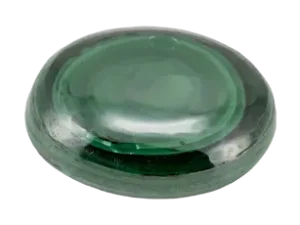
| Malachite | Has banded/striped pattern, much softer (3.5-4 Mohs) |
| African Bloodstone | Different composition — larger red patches, grayer green |
| Dragon Bloodstone | Australian variety — epidote + red jasper, different pattern |
Quick Identification Tips
- If it has sparkle → Not Bloodstone (probably Aventurine)
- If it’s translucent with moss patterns → Not Bloodstone (probably Moss Agate)
- If it has stripes/bands → Not Bloodstone (probably Malachite)
- If it has no red spots → Not Bloodstone (probably Plasma or Green Jasper)
Bloodstone Care and Maintenance
Bloodstone is a durable stone (6.5-7 Mohs hardness) but still needs proper care to maintain its beauty.
Safe Cleaning Methods
- ✅ Warm water with mild soap
- ✅ Soft cloth or soft-bristled brush
- ✅ Gentle drying with lint-free cloth
- ✅ Running under lukewarm water
What to Avoid
- ❌ Ultrasonic cleaners (can cause cracks)
- ❌ Steam cleaners (temperature shock)
- ❌ Harsh chemicals (bleach, ammonia)
- ❌ Hot water (sudden temperature changes)
- ❌ Abrasive cleaners or brushes
Storage Tips
- Store separately from harder gemstones (diamonds, sapphires can scratch it)
- Use soft pouch or lined jewelry box
- Avoid prolonged direct sunlight
- Keep away from heat sources
Can Bloodstone Be Worn Daily?
Yes. With hardness 6.5-7 and no cleavage (tendency to split), Bloodstone is suitable for everyday wear. However, protect it from hard impacts and remove before activities like gym, gardening, or heavy manual work.
Can Bloodstone Go in Water?
Yes, briefly. You can clean it with water and wear it while washing hands. However, avoid:
- Long soaking (can affect polish)
- Swimming pools (chlorine can damage)
- Hot tubs or saunas (temperature extremes)
- Salt water (can be corrosive over time)
Bloodstone Jewelry Guide
Best Metal Settings for Bloodstone
| Metal | Recommendation |
| Sterling Silver | Excellent — contrasts beautifully with green, most popular |
| Yellow Gold | Classic, traditional look |
| White Gold | Modern, elegant |
| Rose Gold | Warm, unique aesthetic |
| Panchdhatu | Traditional for Vedic astrological purposes |
For astrological purposes, silver and gold are most commonly recommended.
Ring Recommendations
- Setting Type: Bezel setting recommended (protects stone edges)
- Men’s Rings: Bold signet style, flat-top or domed cabochon, often with carved designs
- Women’s Rings: More delicate settings with decorative metalwork
- Astrological Rings: Open-back setting so stone touches skin
Pendant and Bracelet Options
- Large oval cabochons (20-40mm) create dramatic pendant statements
- Beaded bracelets popular for spiritual/healing purposes
- Often combined with black tourmaline, carnelian, or tiger’s eye
Where to Buy Authentic Bloodstone in India
When buying Bloodstone online, look for:
- Lab certification from recognized gemstone labs
- Clear product photographs showing actual stone
- Transparent pricing with weight mentioned
- Return policy (minimum 7 days)
- Clear origin information
- Customer reviews and ratings
At Ratna Gems, we offer:
- ✓ Government Lab Certified Bloodstones
- ✓ Lifetime Authenticity Guarantee
- ✓ 7-Day Easy Return Policy
- ✓ Free Shipping Across India
- ✓ COD Available
- ✓ Clear origin and quality information
Shop our Bloodstone Collection →
Frequently Asked Questions
What is Bloodstone?
Bloodstone is a dark green gemstone with red spots that look like drops of blood. It belongs to the chalcedony (quartz) family. The green colour comes from chlorite minerals, while the red spots are iron oxide (hematite). It is also called Heliotrope scientifically and Pitoniya in Hindi.
What is the Hindi name for Bloodstone?
In Hindi, Bloodstone is called Pitoniya (पिटोनिया). This name is commonly used in Vedic astrology circles in India.
Which planet is Bloodstone associated with?
In Vedic astrology, Bloodstone is associated with Mars (Mangal). It is believed to enhance qualities associated with Mars like courage, strength, and determination. However, these are traditional beliefs, not scientifically proven facts.
Who should wear Bloodstone?
According to traditional beliefs, Bloodstone is suitable for Aries (Mesh) zodiac sign, March-born individuals, and those seeking courage and strength. Since it is not a Navaratna gemstone, it is generally considered safe to wear without strict astrological consultation. However, consult an astrologer if you want personalized advice.
What is the price of Bloodstone in India?
Bloodstone prices in India range from ₹50-400 per carat depending on quality. Commercial grade costs ₹50-100/carat, standard quality ₹100-150/carat, good certified quality ₹150-250/carat, and premium AAA grade ₹300-400+ per carat. It is one of the most affordable gemstones available.
How can I identify real Bloodstone?
Real Bloodstone is completely opaque (no light passes through), feels cool to touch, has natural random patterns (not too perfect), and produces a red streak when rubbed on unglazed ceramic. The red spots should look like dried blood, not bright paint. For 100% confirmation, get it tested at a certified lab.
What is the difference between Indian and African Bloodstone?
Indian Bloodstone (true Heliotrope) has dark green chalcedony base with small, sharp red hematite spots. African Bloodstone (Setonite) has a different mineral composition — red jasper with gray-green chalcedony and pyrite. Indian Bloodstone is preferred for Vedic astrology and costs 15-30% more.
Which finger should I wear Bloodstone ring on?
According to traditional practice, Bloodstone should be worn on the ring finger of the working hand. The stone bottom should touch the skin for astrological purposes. Tuesday is considered the best day to start wearing it.
Can I wear Bloodstone every day?
Yes. With hardness 6.5-7 on Mohs scale, Bloodstone is durable enough for daily wear. Protect it from hard impacts and remove before gym, gardening, or heavy manual work. Clean regularly with warm soapy water.
How do I clean Bloodstone jewelry?
Clean with warm water and mild soap using a soft cloth or brush. Rinse under lukewarm water and dry with soft lint-free cloth. Avoid ultrasonic cleaners, steam cleaners, harsh chemicals, and sudden temperature changes.
Is Bloodstone the March birthstone?
Yes. Bloodstone is the traditional birthstone for March. In 1912, Aquamarine became the primary March birthstone for commercial reasons, but Bloodstone remains the traditional and Ayurvedic March birthstone.
What is the best metal for Bloodstone jewelry?
Sterling silver is most popular because it contrasts beautifully with Bloodstone’s green colour. Yellow gold and white gold also work well. For Vedic astrological purposes, silver, gold, or Panchdhatu are traditionally recommended.
What weight Bloodstone should I buy?
For astrological purposes, the traditional formula is: Body Weight (kg) ÷ 10 = Minimum Carats. For example, a 70 kg person should wear at least 7 Carat Bloodstone. For jewelry without astrological purpose, 5-15 carats is common for rings, and 15-40 carats for pendants.
Can Bloodstone go in water?
Yes, briefly. You can clean it with water and wear it while washing hands. Avoid long soaking, swimming pools (chlorine), hot tubs, and salt water. Pat dry after water contact.
Where can I buy certified Bloodstone in India?
You can buy certified natural Bloodstone at Ratna Gems. We offer government lab certified stones with lifetime authenticity guarantee, 7-day return policy, free shipping, and COD option across India. Visit our Bloodstone collection to browse available stones.
Conclusion
Bloodstone is a fascinating gemstone with over 5,000 years of human history. Its distinctive appearance — dark green with blood-like red spots — has made it valuable across ancient civilizations from Babylon to Rome to medieval Europe.
Key points to remember:
- Bloodstone (Heliotrope) is chalcedony with red hematite spots
- Hindi name: Pitoniya
- Associated with Mars in Vedic astrology
- Traditional March birthstone
- Indian origin is considered best quality
- Price range: ₹100-400 per carat (affordable)
- Hardness 6.5-7 (suitable for daily wear)
Whether you’re buying Bloodstone for its traditional significance, as a March birthday gift, or simply because you appreciate its unique beauty — make sure you buy from a trusted source with proper certification.
Ready to buy? Browse our certified Bloodstone collection at Ratna Gems →
Disclaimer: Information about traditional beliefs, astrological associations, and healing properties in this article is presented for educational purposes only. Ratna Gems does not claim these beliefs are scientifically proven. Always consult qualified professionals for medical or important life decisions.